Shri Girijatmaj Temple, Lenyadri
Details of Shri Girijatmaj Temple, Lenyadri
ASHTAVINAYAK TEMPLES DETAILS & IMPORTANCE
Pravas Sukhacha
3/8/20263 min read
Shri Girijatmaj Temple, Lenyadri
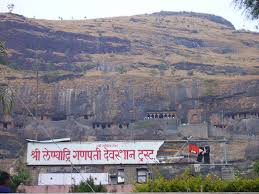
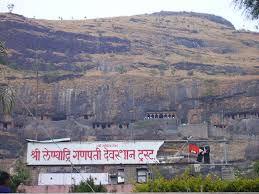
High in the hills near the town of Junnar in Maharashtra lies one of the most unique temples of the Ashtavinayak Yatra. The temple is located within the ancient Lenyadri Caves, overlooking the valley of the Kukadi River.
The name Girijatmaj comes from two Sanskrit words: Girija, another name of Parvati meaning “daughter of the mountain,” and Atmaj, meaning “son.” Together, the name means “the son of Girija.”
This temple is special because it is traditionally believed to be the place where Ganesha was born to Parvati.
The Legend of Parvati’s Penance
According to traditional Puranic lore, Parvati once wished to have Ganesha as her son in physical form. To fulfill this wish, she chose the quiet caves of Lenyadri as the place for her penance.
For many years, she performed deep meditation and austerities in these hills. Pleased with her devotion, Ganesha is said to have manifested as her child on the fourth day of the bright fortnight of the month of Bhadrapada, the day now celebrated as Ganesh Chaturthi.
Because the Lord was believed to have been born to Parvati in these mountains, he came to be worshipped here as Girijatmaj, the son of the mountain-born goddess.
In temple tradition, the deity here is often associated with the child form of Ganesha, reflecting the maternal connection between Parvati and her son.
The Ancient Cave Architecture
One of the most remarkable aspects of this temple is its setting within an ancient complex of rock-cut caves.
The Lenyadri Caves consist of about 30 rock-cut caves carved into the hillside. Archaeologists generally date these caves between the 1st and 3rd centuries CE, and they are widely believed to have originally served as Buddhist monastic dwellings.
The Ganesha temple is located specifically in Cave 7, which is the largest cave in the complex. Like many rock-cut structures in India, the entire cave is carved directly from the hillside rather than built with separate blocks of stone.
To reach the temple, pilgrims must climb approximately 300 stone steps from the base of the hill. For many devotees, this climb is seen as a small act of devotion before reaching the shrine.
From the top, visitors can see sweeping views of the surrounding valleys near Junnar, adding to the spiritual atmosphere of the place.
The Idol Inside the Cave
Unlike many other temples where the idol is a separate sculpture, the image of Ganesha at Lenyadri is believed to be Swayambhu, meaning naturally manifested in the rock.
The idol appears as a rock form on the back wall of the cave and is traditionally covered with Shendur (vermilion), which is common for Ganesha idols in Maharashtra. Because of the coating and the natural rock formation, the details of the idol are not sharply defined.
Another interesting feature is the orientation of the shrine. The temple entrance faces south, while the idol itself faces north.
A Unique Blend of History and Faith
Lenyadri represents a fascinating intersection of history and devotion. The caves were originally carved during a period when Buddhism was prominent in western India. Over the centuries, one of these caves gradually became associated with the worship of Ganesha and eventually evolved into an important Hindu pilgrimage site.
Today, Girijatmaj Temple stands as one of the most distinctive stops of the Ashtavinayak pilgrimage, combining ancient rock-cut architecture with living religious tradition.
Spiritual Importance for Pilgrims
Among the eight Ashtavinayak temples, Lenyadri is often seen as a symbol of the mother–child bond between Parvati and Ganesha.
Families frequently visit this temple to pray for the well-being of their children and for harmony within the household. The climb to the cave temple, the quiet surroundings of the hills, and the ancient atmosphere of the rock-cut caves together create a deeply reflective spiritual experience for many pilgrims.
Contact
Reach out for bookings or any questions
Phone
+91 90163 49133
© 2026. All rights reserved
A Collaborative Initiative By Pravas Sukhacha™ & Royal Holidayj