Shri Chintamani Temple, Theur
Details of Shri Chintamani Temple, Theur
ASHTAVINAYAK TEMPLES DETAILS & IMPORTANCE
Pravas Sukhacha
3/8/20262 min read
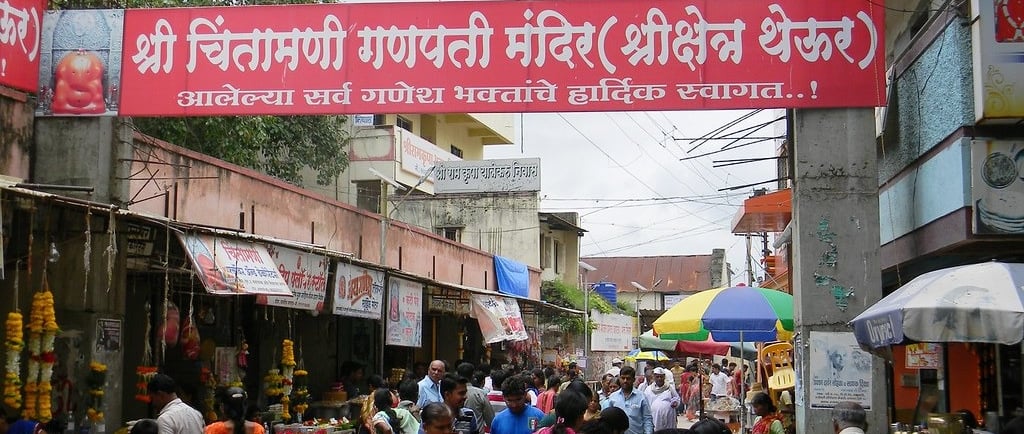
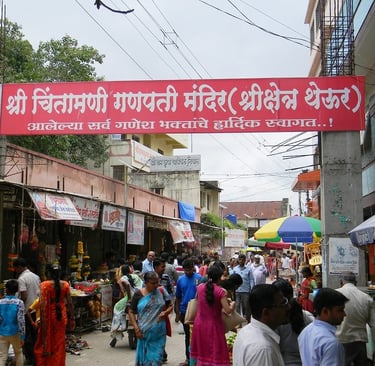
Shri Chintamani Temple, Theur – The Reliever of Worries
About 25 kilometers from Pune lies the village of Theur, home to one of the eight sacred temples of the Ashtavinayak pilgrimage. The deity here is worshipped as Chintamani—a name that means “the jewel that removes worries.” Devotees believe that prayers offered here help ease mental burdens and bring clarity to troubled minds.
The temple stands near the meeting point of the Mula, Mutha, and Bhima river systems, giving the area a tranquil and spiritually significant atmosphere. For many pilgrims, Theur is one of the most peaceful stops on the Ashtavinayak journey.
The Legend of the Chintamani Jewel
According to traditional stories preserved in the Puranas, the origin of the temple is connected with the sage Kapila.
Kapila possessed a miraculous jewel known as the Chintamani, believed to grant wishes and provide abundance. One day a prince named Gana, the son of King Abhijit, visited the sage’s hermitage. When he witnessed the jewel’s power—said to provide a grand feast instantly—he became greedy and took the jewel by force.
Instead of confronting the prince with anger, Sage Kapila prayed to Ganesha for help. Responding to the sage’s devotion, Ganesha pursued the prince, defeated him, and recovered the jewel.
When the Lord returned the jewel, Kapila chose not to keep it. Instead, he offered it to Ganesha and requested that the deity remain in that place to bless future devotees. Accepting the request, Ganesha stayed there as Chintamani, symbolizing the removal of worries and the granting of peace of mind.
The Temple and the Peshwa Connection
Theur later became closely connected with the Maratha rulers known as the Peshwas. One of the most devoted followers of Chintamani was Madhavrao I.
Madhavrao often visited the temple and spent time there during the later years of his life. Historical accounts say he passed away in 1772 at Theur after a period of illness. His wife, Ramabai Peshwa, performed sati shortly after his death, and memorials related to them exist near the temple area.
Because of this connection, the temple gained special importance during the Peshwa period and received royal patronage and renovations.
Architecture and Temple Atmosphere
The Chintamani temple has undergone several renovations over the centuries, particularly during the Maratha era.
One of its notable features is the spacious wooden sabhamandap, or assembly hall, which reflects architectural styles favored during the Peshwa period. The temple courtyard also contains traditional stone structures and water features that contribute to its calm and reflective atmosphere.
The idol of Chintamani inside the sanctum faces east. It is coated with vermilion, a common form of decoration for Ganesha idols. Devotees often describe the shrine as one of the most serene places along the Ashtavinayak route.
The Kadamba Tree Tradition
Temple tradition connects the legend of the recovered jewel with a Kadamba tree that once stood in the area. According to the story, the encounter between Ganesha and the prince took place beneath such a tree.
Even today, the temple surroundings retain a lush and green appearance, echoing the ancient forest setting described in the legend.
Spiritual Importance for Pilgrims
For devotees visiting the Ashtavinayak temples, Theur represents a place where worries are believed to be lifted.
Pilgrims often come here when they are struggling with anxiety, important life decisions, or personal difficulties. Offering prayers to Chintamani is believed to bring peace of mind and clarity of thought.
Because of its historical connection with the Peshwas and its peaceful environment near Pune, Theur continues to be one of the most frequently visited temples in the Ashtavinayak pilgrimage.
Contact
Reach out for bookings or any questions
Phone
+91 90163 49133
© 2026. All rights reserved
A Collaborative Initiative By Pravas Sukhacha™ & Royal Holidayj