Shri Ballaleshwar Temple, Pali
Details of Shri Ballaleshwar Temple, Pali
ASHTAVINAYAK TEMPLES DETAILS & IMPORTANCE
Pravas Sukhacha
3/8/20263 min read
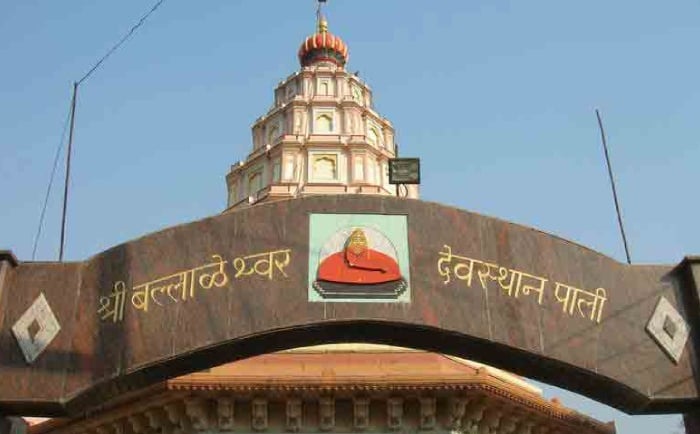
Shri Ballaleshwar Temple, Pali – The Lord of the Devotee
In the village of Pali in Raigad district of Maharashtra stands one of the most beloved temples of the Ashtavinayak pilgrimage. The shrine lies between the hill fort of Sarasgad Fort and the banks of the Amba River.
What makes this temple special is its name. Among all eight Ashtavinayak temples, this is the only one named after a human devotee. The presiding deity is worshipped as Ballaleshwar—literally meaning “the Lord of Ballal.” The story behind the name celebrates the deep devotion of a young boy and the compassion of Ganesha.
The Legend of Ballal’s Devotion
According to traditional temple lore, a young boy named Ballal lived in Pali with his father, a merchant named Kalyan Sheth.
Ballal was deeply devoted to Lord Ganesha. Instead of playing ordinary games, he would gather the village children and lead them to the forest where they performed prayers and worship before a simple stone idol representing Ganesha.
One day the parents of the children complained to Kalyan Sheth that their sons were neglecting their chores because of Ballal’s constant prayers. Enraged, Kalyan went to the forest, destroyed the stone idol, and punished Ballal severely. According to the legend, he tied the boy to a tree and told him that if his God were real, he should ask Him for help.
Despite his suffering, Ballal continued chanting the name of Ganesha with unwavering faith. Moved by the child’s devotion, Lord Ganesha appeared before him in the form of a Brahmin sage. The deity freed and healed the boy and offered him a boon.
Ballal asked only one thing: that Ganesha should remain in that place forever and be known by his name. Accepting the request, the Lord manifested there as Ballaleshwar, and the temple at Pali commemorates this moment of devotion.
Architectural Features and Historical Background
The present temple structure dates mainly to the eighteenth century. It was rebuilt around 1760 by the local official Moroba Dada Phadnis, a devotee associated with the Maratha administration.
The temple is constructed from large stone blocks fitted closely together, giving it a strong and durable structure. Some traditions say molten lead was used to seal the joints between stones, though this detail is not fully confirmed by historians.
Inside the temple complex hangs a large bell believed to have been brought from Portuguese territory after the Maratha victory led by Chimaji Appa during the Battle of Vasai. Similar bells from that campaign are found in several temples in Maharashtra.
The sanctum contains the idol of Ballaleshwar, dressed traditionally with ornaments and garments that reflect the reverence given to the deity.
The Dhundi Vinayak Tradition
An important tradition for pilgrims visiting Pali involves another small shrine nearby.
Before entering the main temple, devotees often visit the shrine of Dhundi Vinayak located behind the main temple. Temple tradition associates this shrine with the stone idol that Ballal and his friends worshipped.
Pilgrims believe that offering prayers here first completes the ritual sequence of darshan before approaching the main deity, Ballaleshwar.
Prasad and Temple Traditions
Each Ashtavinayak temple has its own prasad tradition. At Pali, one of the most common offerings made to Ballaleshwar is the sweet besan laddu. Devotees often distribute this prasad after completing their prayers.
Spiritual Significance for Pilgrims
Ballaleshwar of Pali is widely known among devotees as a “Navasacha Ganpati,” meaning a form of Ganesha believed to fulfill sincere vows and prayers.
The temple faces east, and during certain times of the year the morning sunlight enters the sanctum and falls on the idol—an architectural feature often highlighted by devotees.
For many pilgrims, the story of Ballal symbolizes the purity of devotion. The temple reminds visitors that faith offered with innocence and sincerity can reach the divine.
Contact
Reach out for bookings or any questions
Phone
+91 90163 49133
© 2026. All rights reserved
A Collaborative Initiative By Pravas Sukhacha™ & Royal Holidayj